


Abu Dhabi Sand DunesHow they form, the dune type that dominates the region, why the sand glows golden, and how tall they really get
There is real science behind the golden waves you see on a desert safari. This is a complete guide to Abu Dhabi’s sand dunes, how they formed, the linear (seif) dune type that dominates this region, why the sand glows that distinctive orange-gold, how tall they get compared to the world-famous Moreeb Dune, and how to experience them for yourself on a desert safari from AED 40.
Desert safari from AED 40 · Al Khatim desert · ~45 min from the city · pay on arrival
Abu Dhabi sand dunes, at a glance


The dunes behind every package we run
Here are the practical facts about Abu Dhabi sand dunes, at a glance, the short version, if you only have a minute. For the full science, see the guide below; for booking, the package and builder are right above. No online payment, just choose your package and pay on arrival.
| Detail | What to expect |
|---|---|
| Dune type | Linear (seif) dunes, long, branching ridges |
| Height | ~20 to 50 m around Al Khatim; up to ~300 m at Liwa’s Moreeb Dune |
| Colour | Golden-ochre, from iron-oxide content in the sand |
| Do they move? | Yes, wind migrates them gradually over time |
| Fossil dunes | A separate, cemented formation, see our Fossil Dunes guide |
| Best photo time | Sunrise and sunset, for shadow and texture |
| Book at our location | From AED 40, the same Al Khatim desert, every package |
What it costs to reach these dunes
Self-drive AED 40 · shared bus AED 60 · shared 4×4 AED 150 · private Land Cruiser AED 700 for up to 7. Every option includes dune bashing, a camel ride, sandboarding, the BBQ dinner and live shows. Compare every package, or build your safari below and send it on WhatsApp, pay on arrival.
Pick a package, add your extras, send on WhatsApp
Choose your base safari, tap the add-ons you want, and we’ll have your custom total ready. Your inquiry goes straight to our WhatsApp, we reply with availability and pickup details.
Your Safari
Prices per the option’s unit. Final total confirmed on WhatsApp.
No online payment. We confirm availability, pickup time and final price by WhatsApp on +971 50 414 6025.
How sand dunes actually form
Wind picks up loose sand grains and deposits them downwind wherever airflow slows, building mounds that grow into ridges over thousands of years. The sand itself was originally exposed as sea levels and coastlines shifted across the region tens of thousands of years ago, leaving behind the loose sediment that wind continues to shape today.
Tall enough for a real 4×4 climb
At 20 to 50 metres, our local dunes are tall enough for a genuinely exciting 4×4 climb, without needing the multi-hour trip a 300-metre Liwa mega-dune demands.
The colour science and how tall dunes get
The golden-ochre colour comes from iron-oxide in the sand grains, with quartz, carbonate and mafic minerals subtly affecting the exact shade from one stretch of desert to another. Around Al Khatim the dunes typically rise 20 to 50 metres, tall enough for a thrilling dune-bashing climb, but a different scale entirely from the giants further south.
Further south-west toward Liwa, on the edge of the Empty Quarter (Rub’ al Khali), the dunes grow dramatically larger, Moreeb Dune alone rises to around 300 metres, among the tallest sand dunes anywhere on Earth.
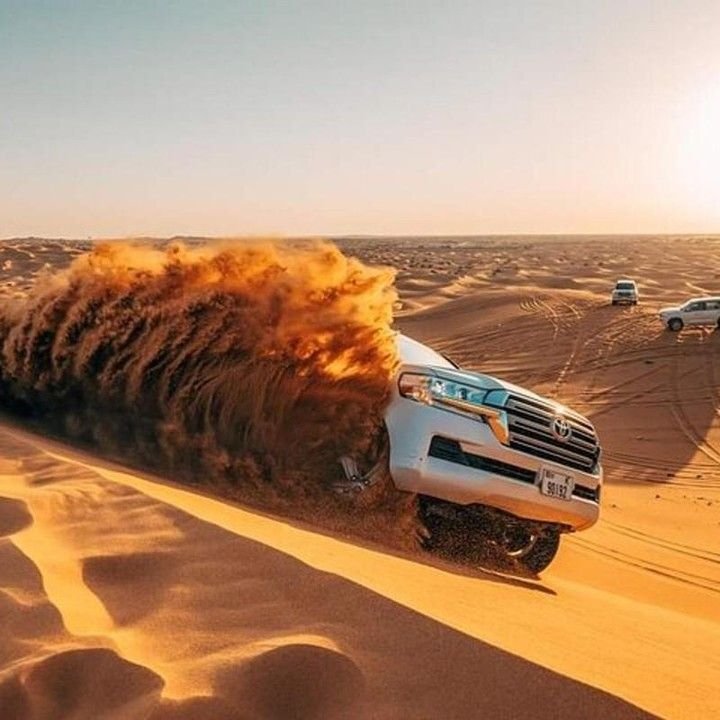
- 🛻Toyota Land Cruiser 4x4sDriven by experienced desert drivers who adjust the dune-bashing intensity for your group.
- 🏕️Clean, traditional desert campSeparate washrooms for men and women, majlis seating, sheesha area and live entertainment.
- 💬Book on WhatsApp, pay on arrivalNo online payment for standard packages, just message us and pay when you arrive.

Abu Dhabi sand dunes, quick facts
Here are the quick facts about Abu Dhabi’s sand dunes, plus what our guided safari includes. We provide unlimited water, washrooms, and Arabic costumes for photos, all at our camp among the real linear dunes of Al Khatim, dune bashing, camel ride, sandboarding, BBQ dinner and live shows.
How these dunes were formed
🏜️ Land and light on the sand dunes trip
The desert at Al Khatim, about 45 minutes south-east of the city, is shaped by wide erg dunes and the seasonal shamal winds that sweep across them. Iron-oxide in the sand gives it a warm ochre colour, turning copper and amber at sunset. October through April is the best time to visit, with daytime temperatures of 22°C to 30°C and clear, comfortable winter nights around 15°C.
🏕️ Bedouin traditions you meet on the sand dunes trip
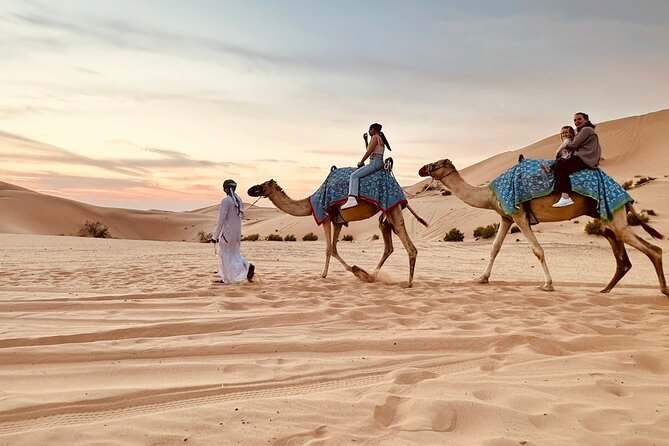
Generations of nomadic Bedouin called this desert home, navigating by the stars and travelling its dunes by camel. The camp today honours that history with qahwa, fresh dates, and traditional majlis seating. Henna art, Arabic costumes for photo moments, and live Tanoura and belly-dance performances make the cultural connection feel genuinely real.
🦅 Wildlife around the sand dunes route
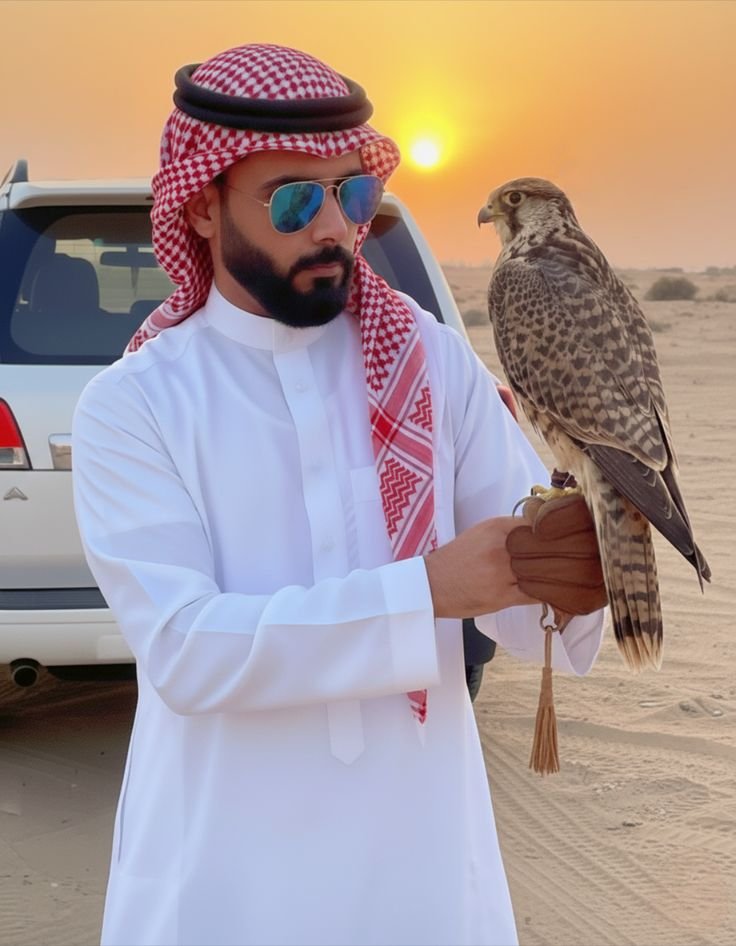
The Arabian oryx, the UAE’s national animal, shares the protected desert corridors near Al Khatim with sand gazelles and migrating houbara bustards. Further south, the Liwa region and the Empty Quarter (Rub’ al Khali) hold the world’s tallest dunes, Moreeb Dune among them at roughly 300 metres. Falcon photography, available as an add-on, lets guests pose with a trained falcon as part of the UAE’s UNESCO-recognised falconry tradition.
Sand dunes vs fossil dunes, what is the difference
Three different desert experiences, three very different distances, here is exactly how they compare, so you can pick the right one for your trip.
Crescent-shaped, isolated
Forms where wind blows steadily from one direction with limited sand supply. Isolated, crescent-shaped mounds that can migrate as a single unit. Less common around Al Khatim.
Long ridges, what we ride
Long, branching ridges formed by fairly consistent wind direction with seasonal variation. This is the dominant type around Al Khatim, confirmed by scientific survey, exactly what you dune-bash across.
Multi-armed peaks
Forms where wind blows from multiple directions through the year, building tall, multi-armed peaks rather than ridges. More common toward Liwa and the Empty Quarter.
Abu Dhabi Sand Dunes, FAQs
Abu Dhabi’s sand dunes formed as wind picked up loose sand grains, originally sourced from exposed sediment as sea levels changed over tens of thousands of years, and deposited them downwind in mounds and ridges. Continued wind action over thousands of years built these deposits into the dune fields seen today, which are still actively shaped and moved by the wind.
Scientific surveys of eastern Abu Dhabi, including the Al Khatim region, show the dunes are mainly long, branching linear (seif) dunes, with elevations reaching up to around 40 metres and a north-west to south-east orientation. Star-shaped and crescent (barchan) dunes occur elsewhere in the wider UAE desert system, particularly toward Liwa and the Empty Quarter.
The warm golden to ochre colour comes from iron-oxide content in the sand grains, similar to rust. The exact shade also depends on the mineral mix, quartz, carbonate and mafic minerals are all present in varying amounts, and the colour appears most vivid at sunrise and sunset, when low-angle light intensifies the warm tones.
The dunes around Al Khatim and the wider eastern Abu Dhabi desert typically reach 20 to 50 metres. Further south-west toward Liwa, dunes grow significantly larger, with Moreeb Dune (Tal Moreeb) reaching around 300 metres, among the tallest sand dunes in the world.
Yes. Dunes migrate gradually as wind erodes sand from the gentler windward slope and deposits it on the steeper leeward slope, slowly shifting the whole dune downwind over time. Smaller dunes generally move faster than large ones, and the rate depends on wind strength, sand supply and dune type.
Sand dunes, like the ones on our safari, are active and still shaped by wind today. Fossil dunes, such as the Al Wathba Fossil Dunes, are ancient dune shapes that became cemented in place by minerals roughly 120,000 to 150,000 years ago and no longer move, see our dedicated Fossil Dunes guide for the full story.
Moreeb Dune (Tal Moreeb) in the Liwa Desert is generally considered the tallest sand dune in the UAE, rising to around 300 metres with a steep 50-degree slip face. It is roughly 250 km and 2.5 to 3 hours from Abu Dhabi city, a separate trip from our standard safari location at Al Khatim.
Yes, climbing smaller dunes on foot is a common and popular activity at the desert camp, especially for sunset views and photos. Larger dunes are better experienced by 4×4 dune bashing with an experienced driver, which is included in our standard safari packages.
Sunrise and sunset are best, when the low sun angle creates long shadows that reveal the ripple texture and curved shapes of the dunes, and intensifies the golden-orange colour of the sand. Midday light is harsh and flattens these details.
The easiest way is a guided desert safari in the Al Khatim desert, where you can ride across the dunes by 4×4, climb them on foot, sandboard down them, and watch the colours change at sunset. Our safaris start from AED 40 per person self-drive, or AED 300 for the full evening experience with BBQ dinner and live shows. Choose your package in the builder, send one WhatsApp message and pay on arrival.
Desert safari packages to experience the dunes
Compare every package, then experience the dunes, and book the one that fits your day and budget on WhatsApp.
Ready for the dunes?
Send your inquiry on WhatsApp and we’ll confirm your Abu Dhabi desert safari, availability, pickup and price, in minutes.
Book on WhatsAppSend your booking request
Fill in a few details and we’ll open WhatsApp with everything ready to send. No online payment, we confirm availability, pickup and final price, and you pay on arrival.
Please add your name and WhatsApp number so we can confirm.
No online payment is taken here, this just opens WhatsApp with your details, and we reply with availability and the final price.
Explore all our tours and attractions
Every safari, ride and city tour we run in Dubai and Abu Dhabi.
 DubaiEvening desert safariDune bashing, BBQ dinner and three showsFrom USD 10 AED 35 per person
 DubaiMorning desert safariYour own car, pickup any time 5 to 9 AMFrom USD 191 AED 700 per car
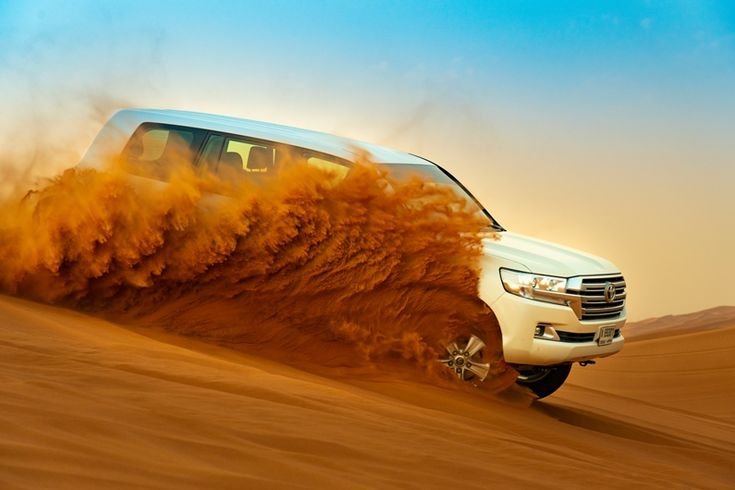 DubaiPrivate desert safariOnly your group in the carFrom USD 191 AED 700 per car
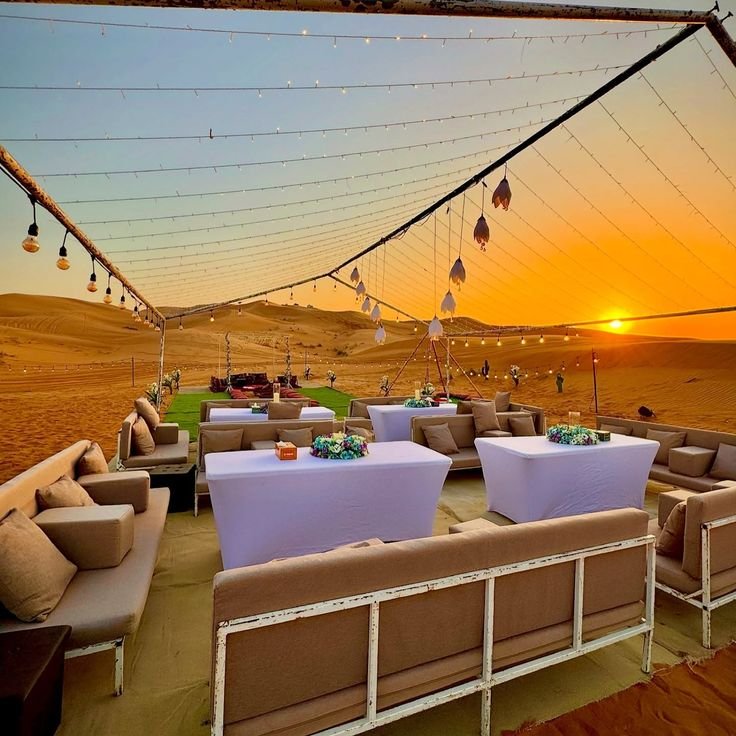 DubaiVIP desert safariSofa seats by the stage, dinner servedFrom USD 68 AED 250 per person
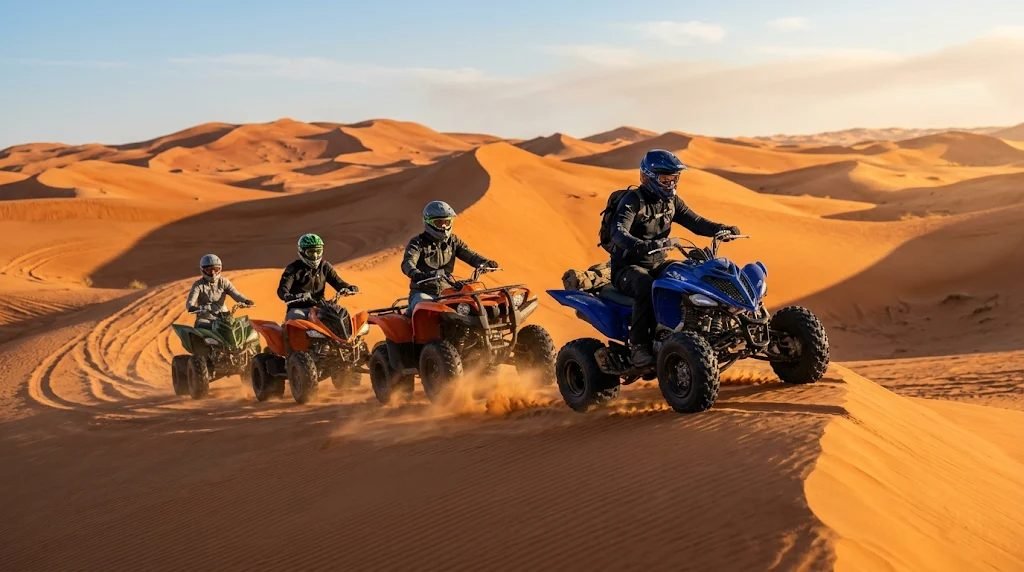 DubaiQuad biking30 minutes, or 1 hour on the open dunesFrom USD 54 AED 200 per quad
 DubaiDune buggy tour1, 2 or 4 seats, 30 minutesFrom USD 163 AED 600 per buggy
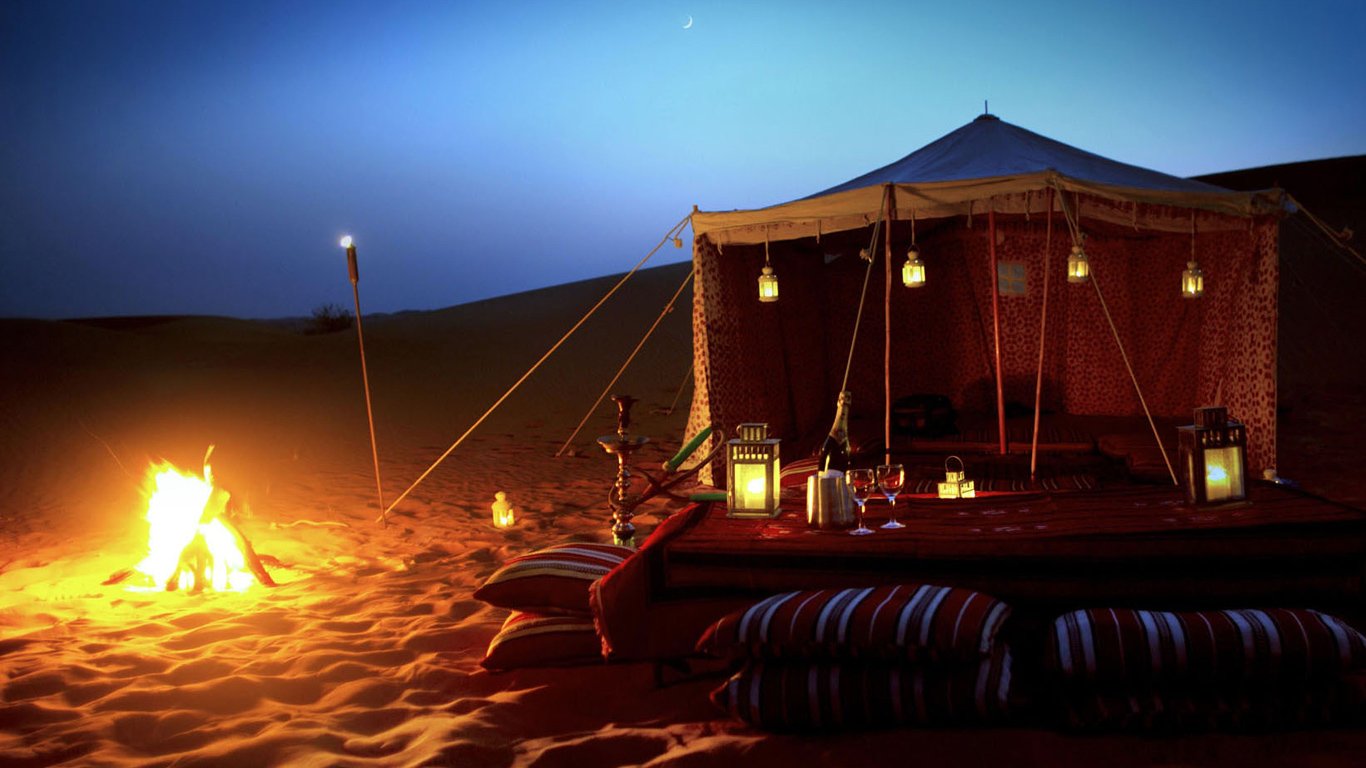 DubaiOvernight desert safariSleep at the camp, sunrise breakfastFrom USD 123 AED 450 per person
 DubaiCamel rideShort ride on every safari, longer on requestIncluded on every safari
 DubaiSandboardingBoards in the car, no experience neededIncluded on every safari
 DubaiDubai city tourAbra ride, Al Fahidi and the old souksFrom USD 190 AED 699 per car
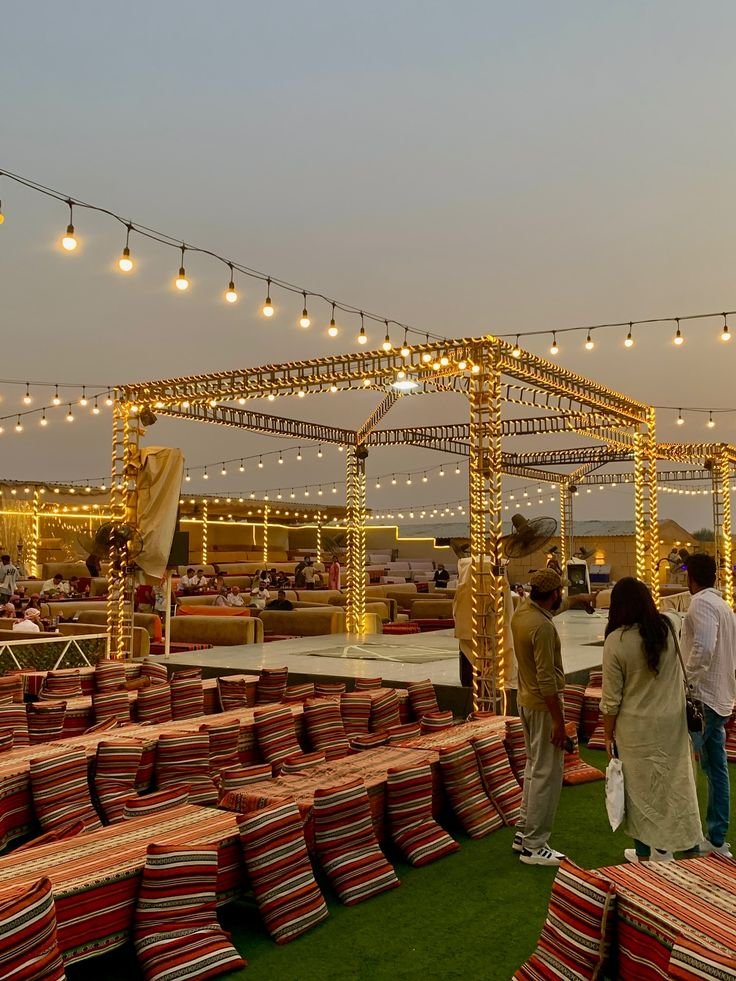 Abu DhabiAbu Dhabi desert safariOur own camp in the Al Khatim dunesFrom USD 11 AED 40 per person
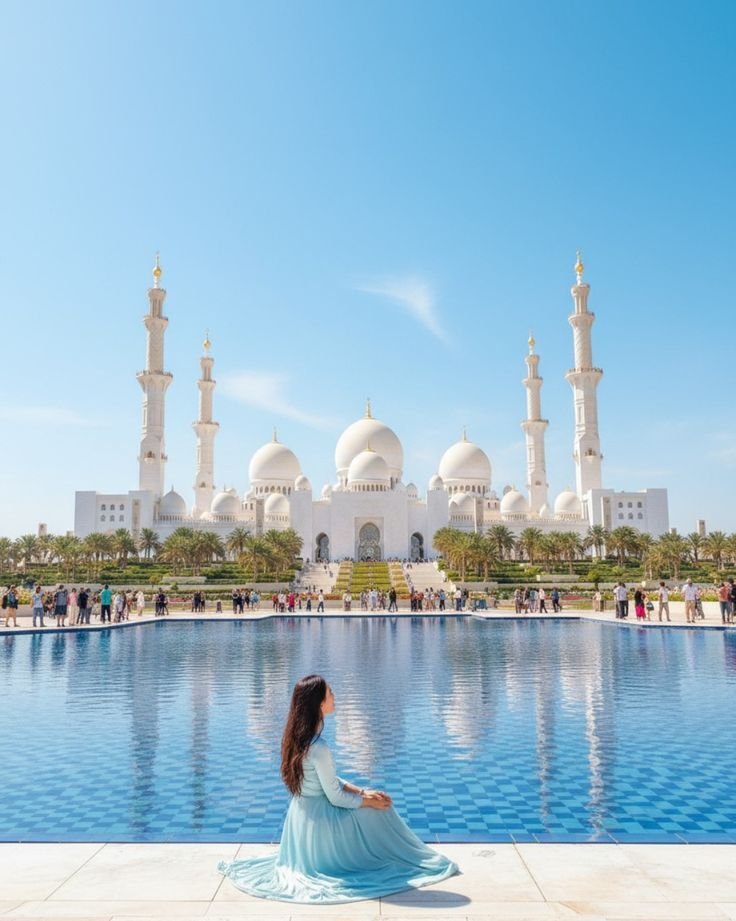 Abu DhabiAbu Dhabi city tourGrand Mosque, palace and Louvre by private carFrom USD 190 AED 699 per car
 AUH airportAbu Dhabi layover tourMet in arrivals, back in time for your flightFrom USD 190 AED 699 per car