

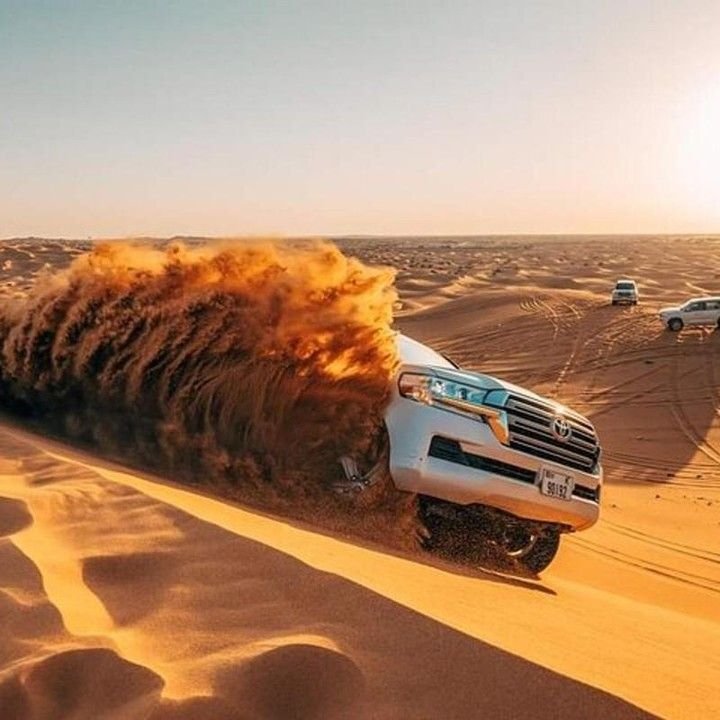
Al Awir Desert, Dubai’s gateway to the sand.
Al Awir is where Dubai’s tarmac ends and the desert begins, the last settlement on the E44 before the Lahbab red dunes, and the meeting point for our 35 AED self drive safari. Twenty-five minutes from Downtown, no 4×4 needed, pay on arrival. This is the full guide to the place your safari starts.
What a safari from Al Awir costs
Self-drive AED 35 · shared bus AED 60 · shared 4×4 AED 150 · private 4×4 AED 700 for up to 7. Whichever way you reach Al Awir, the evening past the meeting point is the same one. Compare every Dubai package, or build your safari below and send it on WhatsApp, pay on arrival.
Self-drivers booking the Al Awir meeting point: the same two minutes applies, just pick self-drive below.
Build Your Safari
Book in under 2 minutes, pay on arrival
Choose your package, tell us where to pick you up, and confirm on WhatsApp. No card, no deposit, your seats are held instantly.
Step 1, Choose your package
Step 2, Number of guests
Step 3, Add-ons (optional)
Step 4, Your details
You will drive to our Al Awir Road desert meeting point, free parking, GPS pin sent after booking.
A meaningful share of these guests met us at the Al Awir petrol station with a sedan and a grin.
What Al Awir actually is, Dubai’s working desert edge
The last green before the red
Al Awir sits about twenty-five minutes east of Downtown Dubai along the E44 Dubai, Hatta road, and it is best understood as a threshold: the last place with farms, villas and irrigation before the ground turns to open sand. The area is famous locally for exactly this doubleness, date plantations and fodder farms on one side of the road, the first low dunes on the other. Emiratis know Al Awir for its agricultural estates and weekend houses; safari guests know it as the point where the city genuinely stops.
Drive five minutes past the last farm gate and the transition is total, no suburb, no billboard, just the beginning of the sand sheet that runs unbroken to the Lahbab red dunes and beyond. That suddenness is Al Awir’s magic trick, and the reason it makes such an efficient safari gateway.
Why our self-drive safari meets here
The AED 35 self-drive desert safari exists because of one geographic fact: Al Awir is reachable by any car. Rental sedan, taxi, your cousin’s hatchback, the meeting point sits on sealed road with ordinary parking, minutes from the desert proper. You drive yourself to Al Awir; our 4x4s and drivers take over for the sand.
The economics follow the geography. Hotel pickup in a 4×4 is what makes shared safaris cost AED 60 to 150, the desert part is the cheap half. Cut the city transfer by meeting at the edge, and the price drops a long way without touching what actually matters: the dunes, the camp, the dinner-and-shows evening. Al Awir is not a lesser way in; it is the shortcut that deletes the expensive, boring leg.
Getting to Al Awir without a 4×4
From Downtown or Business Bay, take the E44 eastbound and the drive runs 25 to 30 minutes in normal traffic; from Deira via Al Awir Road (D89→E44) it is closer to twenty. Careem and taxis know the area well, farms and villas generate steady traffic, and the fare from central Dubai lands far below one person’s pickup surcharge on a standard safari.
We send the exact meeting pin on WhatsApp when you book: a named landmark stop with parking, shade and a shop, not a vague kilometre marker. Your car waits on tarmac; you come home to it dusty only on the outside.
Getting to Al Awir, step by step from tarmac to sand
Step 1, book and receive the pin
One WhatsApp message books the self-drive safari; the reply carries the meeting pin, your arrival window and your convoy coordinator’s name. There is no payment yet, AED 35 changes hands at the meeting point, cash or card, once you can see the 4×4 you are about to ride.
Step 2, park, transfer, deflate
At the pin, your car parks in ordinary marked parking. You transfer to a roll-caged Land Cruiser with a DTCM-permitted dune driver, and roll to the sand line minutes away, where tyres drop to desert pressure, the small ceremony that marks the real start of every safari on this site.
Step 3, the same full evening as everyone else
From the deflation stop onward, the self-drive guest’s evening is identical to the AED 60 bus guest’s and shares the same camp as the AED 700 private guests: the dune bash into Lahbab, the sunset stop, and the full camp programme, BBQ buffet, tanoura, fire show, camel rides, sandboarding, henna. The discount bought the transfer, not a lesser desert.
Step 4, the drive home, decompressed
Convoys return you to the meeting point around 9:00 to 9:30pm. The E44 westbound at that hour is empty and lit, and the skyline reappearing over the last farms of Al Awir is, guests keep telling us, an unexpectedly fine last act. Total spend for the evening: AED 35 plus your own fuel.
What else lives at the gateway, farms, wildlife and the E44 corridor
The agricultural belt, Dubai’s quiet food frontier
Al Awir’s farms are not decorative: the area is one of Dubai emirate’s working agricultural pockets, producing dates, fodder and vegetables on groundwater irrigation, with the municipal fruit and vegetable market historically anchoring the district’s trade. On the drive in you pass ghaf windbreaks, pivot fields and camel pens, a rural Dubai most visitors never learn exists, fifteen minutes from the towers.
Between farm and dune, the wildlife seam
Ecological edges concentrate life, and Al Awir’s farm-desert seam is a textbook case. Irrigation attracts birds, herons and egrets improbably stalking desert-fringe fields, larks and shrikes on the wires, while the first dunes hold the dhub burrows and gazelle tracks that thicken as you push toward Lahbab. Guests who care about wildlife should say so in the booking message; the morning slot works this seam best.
The E44 corridor, reading the road to Hatta
The Dubai, Hatta road is its own small institution: the route locals take to the mountains, lined in sequence by Al Awir’s farms, the safari camps’ turnoffs, the Lahbab cafeterias with their karak-and-chapati counters, and Big Red’s rental yards. Learn the sequence once and you can navigate the whole desert day without a map, which is precisely how our convoy drivers grew up doing it.
Al Awir vs Lahbab, gateway vs destination
The two entities this site’s Dubai cluster is built around divide cleanly: Al Awir is where the desert starts; Lahbab is where it peaks. You meet at Al Awir, you photograph Lahbab. The self-drive product uses the first to make the second affordable, and the full guide to the red dunes themselves lives on our Lahbab page in the related grid below.
Self-drive honesty, what your own car can and cannot do here
The rental-sedan rule: tarmac yes, sand never
Every winter the Al Awir, Lahbab corridor collects a small harvest of rental sedans buried to the axles a hundred metres past the sand line, their drivers discovering that recovery trucks charge more than ten safaris. The rule is absolute: ordinary cars own the tarmac to the meeting point and not one metre beyond. The self drive option exists precisely so the sand part happens in machinery built for it.
Own a 4×4? Where you fit in
Experienced owners with deflation kits and recovery gear join the emirate’s weekend desert culture on these same dunes, the Lahbab page’s driving-craft sections cover that world. But first-timers with a rented Prado should still take the guided product once before soloing: one evening behind a professional dune driver teaches more line-reading than a month of YouTube.
Parking, safety and the boring practicalities
The meeting point is a normal, lit, trafficked stop, shop, parking, people, not a lay-by. Cars left there through the evening sit as safely as in any Dubai car park, which is to say very. Bring your licence, water for the drive, and nothing else the safari lists as included; the camp handles the rest. Children are welcome on self-drive exactly as on every package; car seats transfer into the Land Cruiser in thirty seconds.
When self-drive is wrong for you
Honesty clause: if you are staying in the Marina without a car, a taxi both ways erodes the saving, the AED 60 sharing bus with pickup included beats it. If your group has four or more, the private 4×4 at AED 700 divides to AED 175 a head with door service. Self-drive wins for anyone already holding car keys, anyone near the E44 side of town, and anyone who simply likes the road-trip shape of the evening. That is most of Dubai, most of the time.
Al Awir at a glance, the gateway’s numbers, name and history
The planner’s paragraph, every figure in one place
Distance from Downtown Dubai: roughly 25 to 30 minutes on the E44. Distance from the sand line: under five minutes past the last farms. Self-drive safari price at the Al Awir meeting point: AED 35 per person, pay on arrival, one of the lowest genuine prices in the Dubai market. What any car can reach: the meeting point. What no ordinary car should attempt: anything past it. Nearest big-name landmark beyond: the Lahbab red dunes and Big Red, fifteen further minutes east. Best months: October to April for cool evenings; summer runs move gracefully to dawn.
The name and the old road
Al Awir, also written Al Aweer, a transliteration pair like Lahbab’s, grew as an agricultural settlement on the caravan line between Dubai’s creek and the Hajar mountain passes at Hatta. The modern E44 traces the same desire line the camel trains used: water and grazing at Al Awir, then the long red sand stage past Lahbab. Your twenty-five-minute drive compresses what was once the first full day of travel, worth a thought at the deflation stop, where journeys still pause before the sand exactly as they always have.
One page, one job
This page exists to make the gateway legible: what Al Awir is, why the AED 35 safari meets there, how to arrive in whatever car you hold, and where the desert goes once the tarmac ends. The deeper guides, the red dunes themselves, the timing tables, each package’s hour-by-hour, live one click away in the related grid below. The desert’s front door is open every evening of the year; the WhatsApp button above is the handle.
Al Awir or the Lahbab red dunes, what is actually different
People compare the two as if you have to choose. You do not. Al Awir is the settlement and the meeting point, the last tarmac before the sand. The deep red dunes everyone pictures sit further along the same road, past Lahbab.
So a normal evening uses both. You park at Al Awir, you climb into a Land Cruiser, and the dune drive happens out on the big dunes past Lahbab. Al Awir is where the evening starts. Lahbab is where the sand gets serious.
If you want the dunes themselves rather than the gateway, the Lahbab red dunes guide covers what the sand out there is like and how long the drive takes from each part of Dubai.
Al Awir desert, frequently asked questions
About 25 to 30 minutes east of Downtown Dubai on the E44 Dubai, Hatta road, the last farming settlement before the open desert begins. It’s our self drive meeting point.
It’s Dubai’s desert gateway: working date and fodder farms on one side of the E44, the first dunes on the other. Locals know it for agriculture and weekend estates; safari guests know it as where the city genuinely stops.
Yes, that’s the whole point. The meeting point sits on sealed road with ordinary parking, reachable by rental sedan, taxi or Careem. Our 4x4s handle everything past the sand line; ordinary cars must never attempt the dunes.
Book on WhatsApp, receive the Al Awir meeting pin, drive there in any car, transfer to our roll-caged 4×4, and enjoy the identical dune bash, sunset and full camp evening as every other guest. Pay on arrival, the lower price removes the city transfer, not the experience.
No, Al Awir is the gateway where the desert starts; Lahbab is the high red-dune field 15 minutes further east where the safari action happens. You meet at Al Awir, you dune-bash at Lahbab.
Yes, it’s a lit, trafficked stop with a shop and marked parking, not a desert lay-by. Cars sit there through the evening as safely as in any Dubai car park.
The genuine desert edge at Al Awir is 25 to 30 minutes from Downtown; the big red dunes at Lahbab are about 45 minutes. Closer than most visitors expect, the safari evening fits easily after a beach morning.
Yes, children are welcome exactly as on every package. Car seats transfer from your car into the Land Cruiser in thirty seconds, and the camp programme is built for families.
October to April for cool evenings (11 to 24°C at night); in summer the experience shifts gracefully to sunrise slots. Safaris run from Al Awir every day of the year.
Because hotel pickup is the expensive half of a safari’s cost. Meeting at the desert edge deletes the city transfer; the dunes, camp, BBQ dinner and shows, the parts that matter, are the same as on the AED 60 to 150 packages.
Al Awir is twenty-five minutes away and the kettle at the camp is already on.
Ready for the dunes? Send us a message.
Pick your package above, or just tell us your date and guest count on WhatsApp, we’ll confirm your price, pickup time and meeting point within minutes.
💬 Book on WhatsApp, Pay on ArrivalTonight from AED 35, pay on arrival
No card, no deposit.
Explore all our tours and attractions
Every safari, ride and city tour we run in Dubai and Abu Dhabi.
 DubaiEvening desert safariDune bashing, BBQ dinner and three showsFrom USD 10 AED 35 per person
 DubaiMorning desert safariYour own car, pickup any time 5 to 9 AMFrom USD 191 AED 700 per car
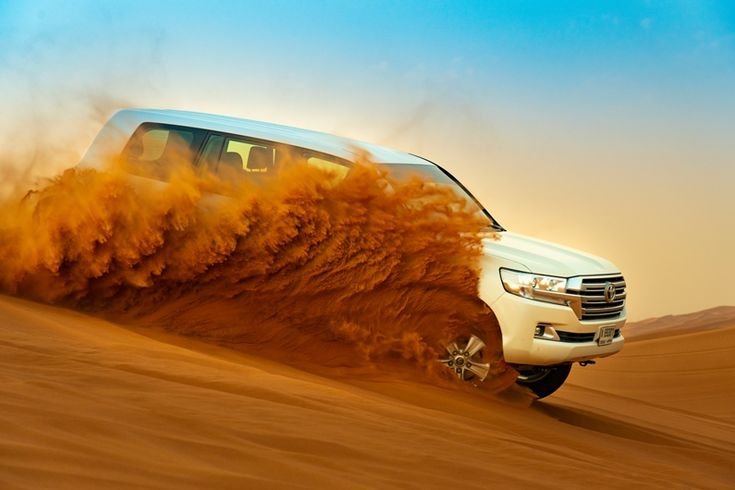 DubaiPrivate desert safariOnly your group in the carFrom USD 191 AED 700 per car
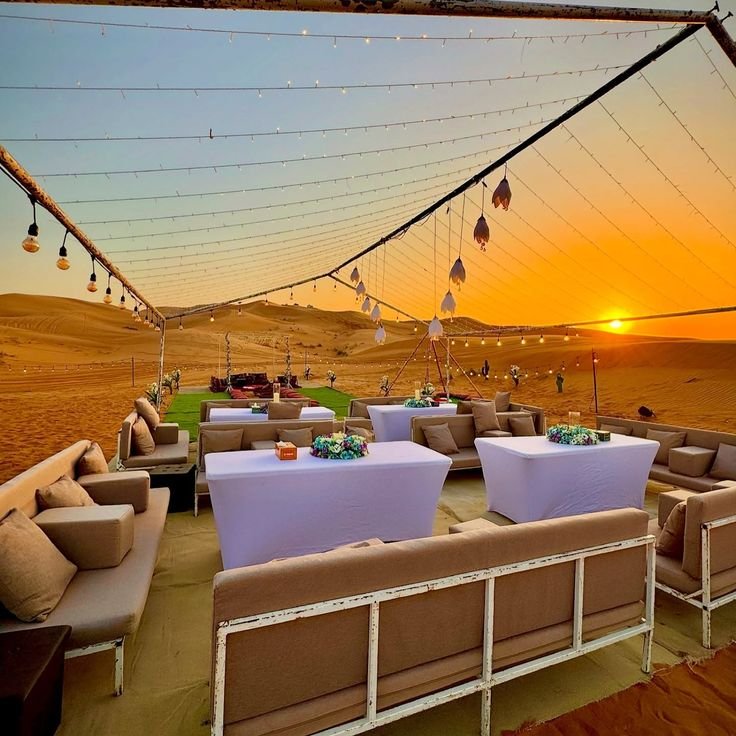 DubaiVIP desert safariSofa seats by the stage, dinner servedFrom USD 68 AED 250 per person
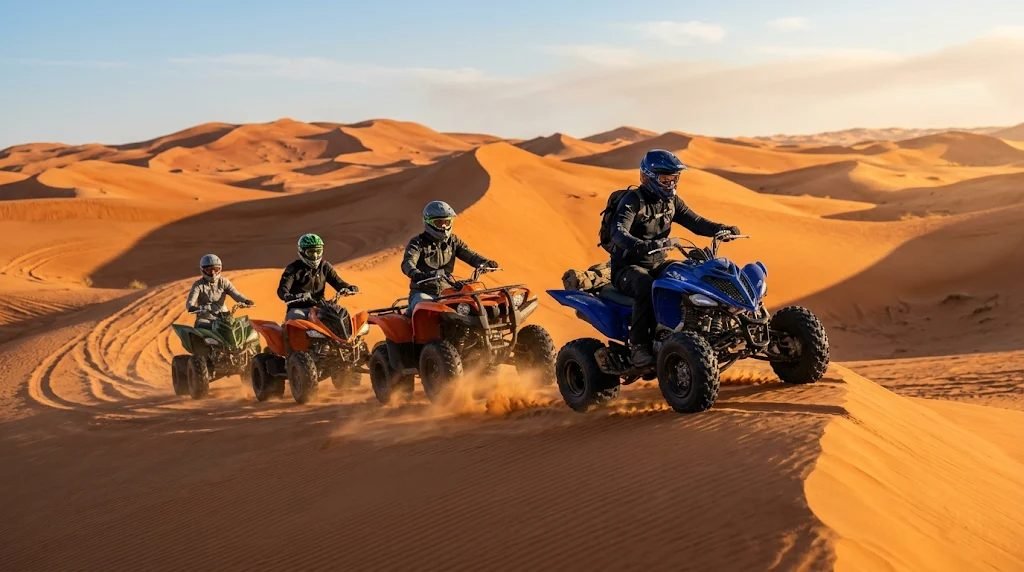 DubaiQuad biking30 minutes, or 1 hour on the open dunesFrom USD 54 AED 200 per quad
 DubaiDune buggy tour1, 2 or 4 seats, 30 minutesFrom USD 163 AED 600 per buggy
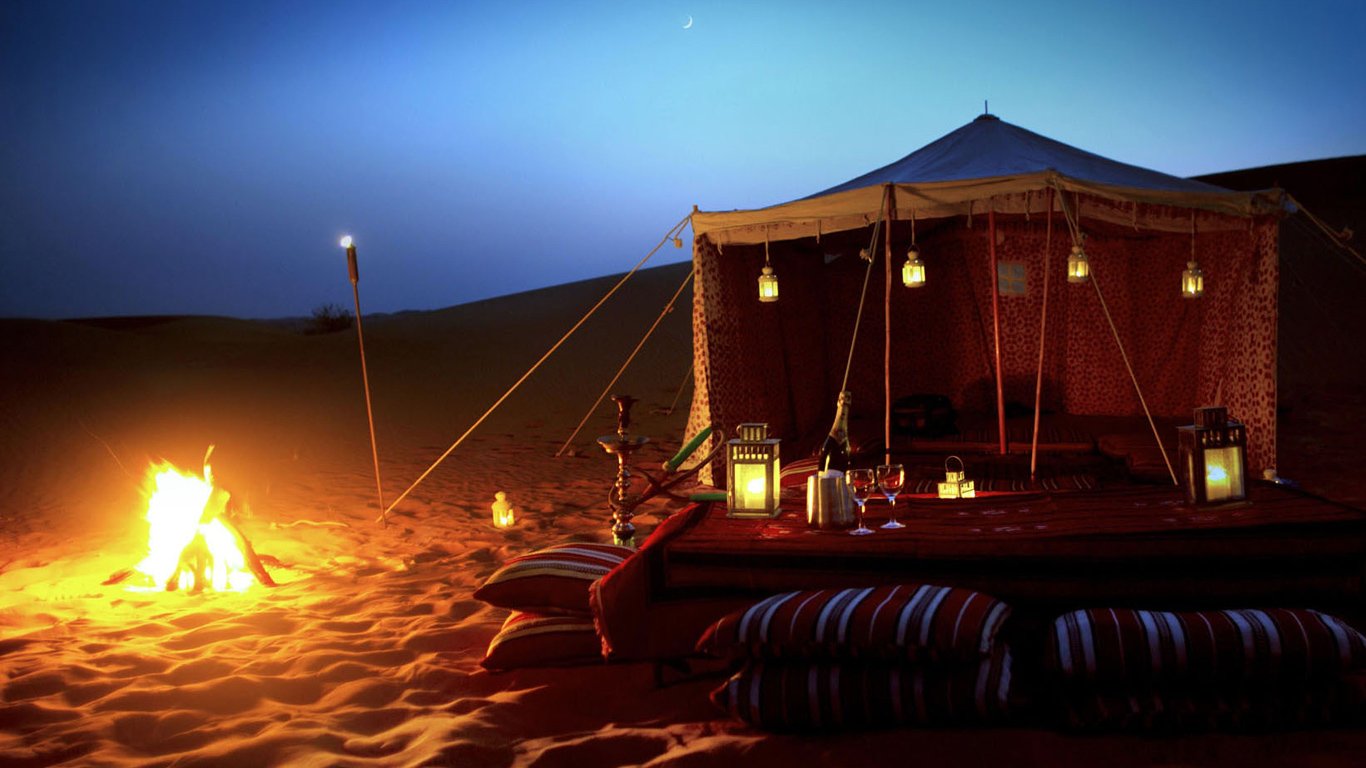 DubaiOvernight desert safariSleep at the camp, sunrise breakfastFrom USD 123 AED 450 per person
 DubaiCamel rideShort ride on every safari, longer on requestIncluded on every safari
 DubaiSandboardingBoards in the car, no experience neededIncluded on every safari
 DubaiDubai city tourAbra ride, Al Fahidi and the old souksFrom USD 190 AED 699 per car
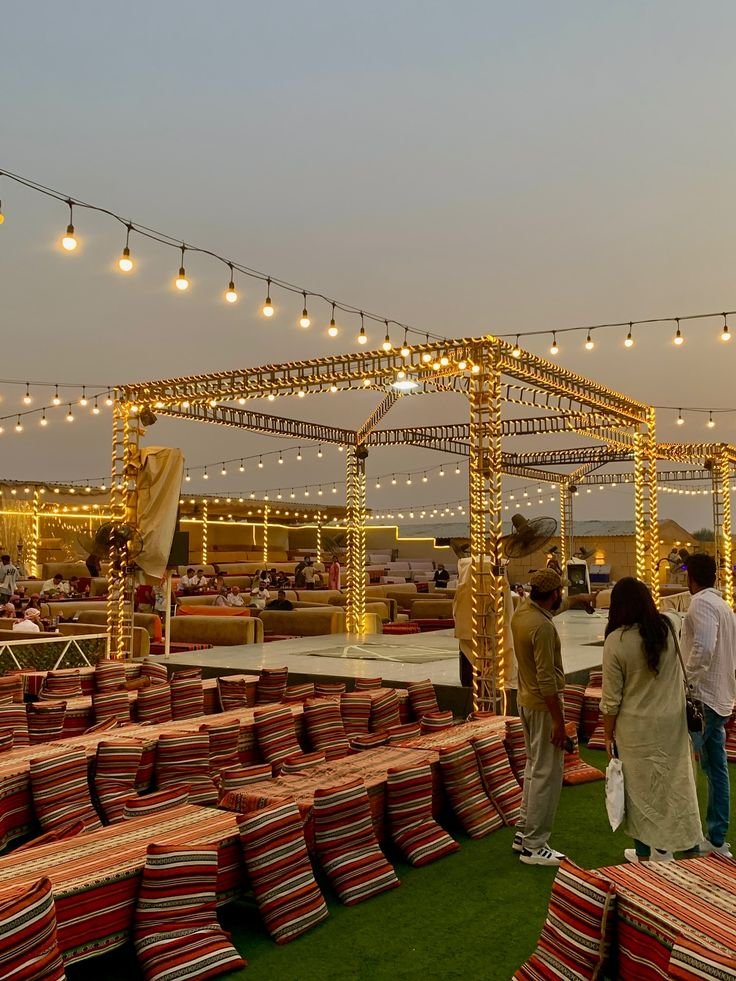 Abu DhabiAbu Dhabi desert safariOur own camp in the Al Khatim dunesFrom USD 11 AED 40 per person
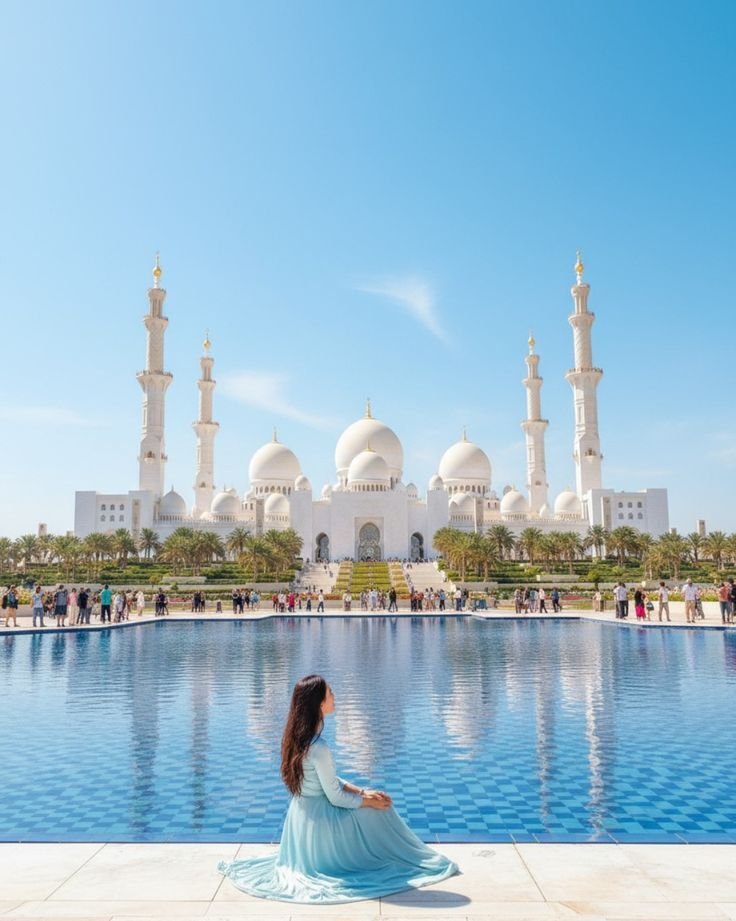 Abu DhabiAbu Dhabi city tourGrand Mosque, palace and Louvre by private carFrom USD 190 AED 699 per car
 AUH airportAbu Dhabi layover tourMet in arrivals, back in time for your flightFrom USD 190 AED 699 per car